What Is ADAS Calibration? Why Does Your Car Need It After a Windscreen Replacement?
Table of Contents
Modern vehicles are equipped with sophisticated safety technologies designed to help drivers avoid accidents and stay aware of road conditions. These technologies rely on precisely positioned cameras, sensors, and radar units that must work together accurately.
When a windscreen is replaced, even a slight change in camera positioning can affect how these systems interpret the road. That’s why windscreen recalibration has become an essential part of many windscreen replacement procedures.
Understanding what ADAS calibration is, why it matters, and how it protects you can help ensure your vehicle remains safe and compliant after repairs.
Understanding ADAS Calibration
This is the process of adjusting and verifying the alignment of a vehicle’s Advanced Driver Assistance Systems after repairs, replacements, or impacts.
The goal is to ensure cameras, radar units, and sensors accurately detect:
Lane markings
Vehicles ahead
Pedestrians
Road signs
Obstacles
Without proper calibration, these systems may provide inaccurate information or fail to operate correctly. These technologies are designed to improve driver safety and reduce the risk of accidents.
Common ADAS features include
Why Does a Windscreen Replacement Affect ADAS?
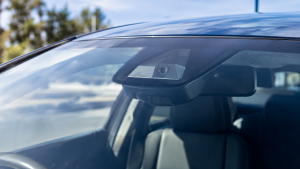
Many modern vehicles position their forward-facing cameras directly behind the windscreen. These cameras are installed with extremely precise alignment requirements.
When a windscreen is removed and replaced:
Camera angles can shift slightly
Mounting brackets may move
New glass thickness can vary
Sensor positioning may change
This is why ADAS calibration after windscreen replacement is often recommended or required by vehicle manufacturers.
Why Is ADAS Calibration Need After Windscreen Replacement Necessary?
Accurate Lane Detection
Lane assist systems need to correctly identify road markings. Improper alignment can cause:
False lane departure warnings
Failure to detect lane markings
Unnecessary steering corrections
Reliable Collision Avoidance
Forward collision systems calculate distance and speed.
Calibration ensures they can:
Detect hazards accurately
Trigger warnings at the correct time
Activate emergency braking when needed
Correct Traffic Sign Recognition
A misaligned camera may:
Misread speed limits
Fail to detect signs
Provide inaccurate driver alerts
Manufacturer Compliance
Many vehicle manufacturers specify ADAS recalibration following windscreen replacement to maintain proper system performance.
Which ADAS Features Depend on Windscreen-Mounted Cameras?
Camera-Based ADAS Features
Lane Departure Warning
Lane Keep Assist
Automatic High Beam Control
Traffic Sign Recognition
Forward Collision Warning
Pedestrian Detection
Driver Attention Monitoring
Combined Camera and Radar Systems
Some systems use both cameras and radar:
Adaptive Cruise Control
Autonomous Emergency Braking
Collision Mitigation Systems
Accurate calibration ensures all components work together properly.
What Happens If You Skip Windscreen Recalibration?
Potential issues include:
Your vehicle may issue warnings when no hazard exists.
The system may fail to detect vehicles, pedestrians, cyclists and lane markings.
Automatic braking systems may activate too late or not at all.
Incorrect sensor data can reduce the effectiveness of safety technologies designed to prevent crashes.
Some vehicles display ADAS fault warnings when calibration is required.
How Does ADAS Recalibration Work?
This involves specialised diagnostic equipment and manufacturer-specific procedures.
Technicians:
Inspect the vehicle
Verify windscreen installation
Connect diagnostic tools
Position calibration targets
Calibrate cameras and sensors
Confirm system accuracy
Perform testing procedures
What Is Static Calibration?
This is performed in a workshop using specialised targets and measuring equipment. The vehicle remains stationary during the process.
How Static Calibration Works
Technicians:
Place calibration boards in specific locations
Measure distances precisely
Use manufacturer specifications
Connect diagnostic equipment
Adjust camera alignment
What Is Dynamic Calibration?
This involves driving the vehicle under specific road conditions while onboard systems calibrate themselves.
How Dynamic Calibration Works
The technician:
Connects diagnostic equipment
Drives at specified speeds
Follows manufacturer guidelines
Allows the vehicle to detect road markings
Monitors calibration completion
Static Calibration vs Dynamic Calibration
Feature
Static Calibration
Dynamic Calibration
Vehicle Position
Stationary
Moving
Environment
Workshop
Public roads
Calibration Targets
Required
Usually not required
Equipment Needed
Extensive
Moderate
Precision
Very high
Manufacturer-dependent
Time Required
Generally longer
Often shorter
Common Use
Camera alignment
System verification
What are the Benefits of Proper ADAS Calibration?
Proper calibration provides numerous advantages.
Safety systems function as designed.
Cameras and sensors correctly interpret surroundings.
Emergency systems can respond appropriately.
Drivers can trust vehicle safety features.
Calibration helps maintain vehicle performance according to manufacturer specifications.
Documented calibration can support future resale and service records.
Choose Albion Park Rail Windscreens & Plastics for ADAS Calibration
Understanding ADAS calibration is essential for anyone driving a modern vehicle equipped with advanced driver assistance systems. Because many safety features rely on cameras mounted behind the windscreen, even a minor alignment change during glass replacement can affect system performance.
At Albion Park Rail Windscreens & Plastics, we understand the importance of proper ADAS calibration after windscreen replacement. By ensuring accurate windscreen recalibration, including both static calibration and dynamic calibration where required, we help keep your vehicle’s safety systems operating as intended, giving you confidence every time you get behind the wheel. Contact us today and let us make your driving safer and clearer than it was.
Not every vehicle requires calibration, but many modern vehicles with camera-based safety systems do. Manufacturer requirements and vehicle design determine whether windscreen recalibration is necessary.
While the vehicle may be drivable, ADAS features may not function correctly until calibration is completed. Following manufacturer recommendations is strongly advised.
No. ADAS calibration requires specialised equipment, diagnostic tools, and manufacturer-specific procedures that are generally unavailable outside professional workshops.
Calibration is typically required after windscreen replacement, certain collision repairs, suspension work, or whenever sensor alignment may have been affected.