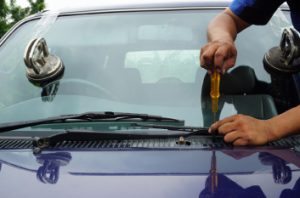
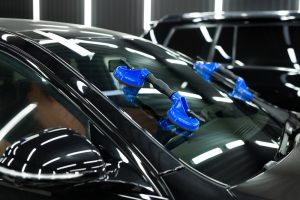
Quick answer: Wait at least one hour after a windscreen replacement before you drive. That is the minimum safe drive-away time for the polyurethane adhesive that bonds the glass to your car. It can be longer in cold or humid weather, for larger windscreens on utes, vans and trucks, and for vehicles with ADAS cameras that need calibration. Your technician will confirm the exact time on the day.
In short: at least 1 hour before driving gently, and 24–48 hours for the adhesive to fully cure.
A clear windscreen is something drivers rely on without even a second thought until it needs replacing. Whether it is due to stone damage, cracks, or ageing seals, a new windscreen restores visibility and safety, but it also raises an important question about timing and care once the work is done. Understanding driving after windscreen replacement is not about convenience but about ensuring the glass bonds correctly and performs its role in protecting you and your passengers.
Modern installations depend heavily on adhesive technology, which means factors like windscreen adhesive cure time, safe drive-away time for windscreen replacement, and overall windshield replacement drive time play a crucial role in post-installation safety. It is important to understand proper car windscreen replacement aftercare, and it becomes clear why making the right decisions immediately after replacement can make a huge difference to long-term performance.
What to Check Before You Decide to Drive
If you notice any of the following, delay driving and contact your installer:
- Visible gaps around the windscreen
- Water leaks after rain
- Glass feels loose or shifts when touched
- Whistling sounds while driving
How Waiting Time Directly Impacts Your Safety
Modern windscreens are bonded to the vehicle using high-strength polyurethane adhesives. These contribute to the vehicle’s structural integrity, particularly in rollovers and during airbag deployment.
Driving too soon, before the adhesive reaches its initial strength, can affect:
- Airbag performance
- Cabin sealing against water and wind noise
- Windscreen bonding strength
- Overall passenger safety
Understanding windscreen adhesive cure time is crucial to making the right decision.
The Risks of Driving Away Immediately After Replacement
Within the first hour of installation, the adhesive begins curing. During this stage, the bond is still vulnerable to:
- Road vibrations
- Body flex from driving
- Door slamming pressure
- Sudden braking
That is why technicians always specify a safe drive-away time for windscreen replacement, which is the minimum period before the vehicle can be driven safely.
Understanding When Your Car Is Truly Road-Ready
Most professional installers advise waiting at least one hour after windscreen replacement before driving the vehicle. But this does not mean normal driving conditions should resume immediately.
During this period:
- Do not slam doors
- Avoid uneven or rough roads
- Keep windows slightly open if possible
- Avoid highways and high speeds
Safe Drive-Away Time vs Full Cure: What’s the Difference?
The safe drive-away time is when the adhesive is strong enough for gentle driving; full cure is when the bond reaches its full strength. When people ask how long a new windshield takes to “dry”, they mean cure.
| Stage | Typical time | What you can and can’t do |
|---|---|---|
| Safe drive-away | At least 1 hour after fitting | Drive gently at low speed. Avoid rough roads, highways and slamming doors. |
| Normal driving | After about 24 hours | Resume everyday driving. Keep avoiding car washes and pressure on the glass edges. |
| Full cure | 24–48 hours (longer in cold or humid weather) | Gentle hand wash after 48 hours. Wait 7 days before automatic or high-pressure car washes. |
Windshield replacement drive time varies between vehicles due to:
- Vehicle body rigidity
- Windscreen size and curvature
- Presence of rain sensors or cameras
- Advanced Driver Assistance Systems
For example:
- Larger windscreens in Utes or vans may require longer curing
- ADAS-equipped vehicles may also need ADAS calibration after windscreen replacement
- Passenger vehicles may need shorter wait times
Simple Aftercare Rules That Make a Big Difference
Proper aftercare plays a major role in how long your new glass lasts.
- Avoid washing the car for at least 48 hours (see when you can wash your car after a windscreen replacement)
- Leave retention tape in place until advised
- Do not remove protective mouldings early
- Park in a shaded or covered area if possible
- Avoid potholes and speed bumps
What to avoid:
- Using high-pressure car washes
- Touching or pressing the glass edges
- Slamming doors
- Driving at high speeds
Weather and Its Impact on Windscreen Adhesive Cure Time
Weather conditions in Albion Park Rail and Shellharbour can influence curing speed. (Wondering about rain? See Can you drive in the rain after a windscreen replacement?)
- High humidity may extend drying time
- Extreme heat can cause uneven curing
- Cold weather slows curing
Professional installers adjust adhesive selection and curing recommendations based on local conditions, ensuring consistent results throughout the year.
Frequently Asked Questions
Can You Drive in the Rain After a Windscreen Replacement?
Yes. Once the safe drive-away time of at least one hour has passed, driving in the rain is fine. Rain won’t wash away or weaken the adhesive, and moisture doesn’t stop it curing. For the first 24 hours, drive gently, avoid high speeds in heavy downpours, and contact us if you notice any water leaking in around the glass.
Start Driving Safer Today with a Fresh Windscreen
We at Albion Park Rail Windscreens & Plastics provide professional windscreen replacement, chip repairs and plastic window solutions for cars, Utes, trucks and commercial vehicles. When you choose us, you are not just getting quality materials and skilled workmanship, but also honest guidance on driving after windscreen replacement, realistic expectations around windscreen adhesive cure time, and practical advice on safe drive-away time for windscreen replacement. We ensure you leave with a clear understanding of windshield replacement drive time and the right car windscreen replacement aftercare steps to protect your investment. Our goal is to make sure your windscreen is installed correctly, cures properly and performs exactly as it should when it matters the most. Contact us today and schedule your visit, or book a mobile windscreen replacement before your trip.