Most people hardly give the windscreen another thought after the chip is fixed. But if your car has a camera tucked behind that glass, there is a fair chance something important just changed without you noticing.
ADAS calibration after windscreen replacement is quickly becoming one of the most overlooked steps in modern car care. Many Australian drivers simply do not realise that swapping out a windscreen can quietly throw an entire safety system out of alignment. This guide from Albion Park Rail Windscreens and Plastics walks through what ADAS calibration actually involves, which cars need it, and why skipping it is a gamble not worth taking.
What Is ADAS Calibration, and Why Does It Matter After a Windscreen Replacement?
ADAS, short for Advanced Driver Assistance Systems, covers the growing list of safety features now standard in many newer vehicles. Lane keep assist, automatic emergency braking, adaptive cruise control, and traffic sign recognition all fall under this umbrella. Most of these systems count on a small forward-facing camera mounted right behind the windscreen.
Here is the part that catches people off guard. When a windscreen is removed and replaced, even a tiny shift in that camera position can change how the vehicle reads the road. ADAS calibration resets and fine-tunes these sensors so they continue to interpret lane markings, other vehicles, and pedestrians precisely.
Skip this step, and the camera might still appear to work. It will switch on, the dashboard light will look normal, and everything will seem fine. The problem is what happens underneath. The data being sent to the vehicle computer could be subtly wrong, and that is a risk nobody should accept from a simple windscreen replacement.
Which Cars Require ADAS Calibration After Windscreen Replacement
Not every car on the road carries this technology yet, but the list keeps growing every year. As a general rule, most vehicles built from around 2018 onward with factory-fitted driver-assist features will require calibration after glasswork.
| Manufacturer | Common ADAS System Name | Features Often Included |
|---|---|---|
| Toyota | Toyota Safety Sense | Lane departure alert, pre-collision system, adaptive cruise control |
| Mazda | i Activsense | Smart brake support, lane keep assist, radar cruise control |
| Subaru | EyeSight | Pre-collision braking, lane sway warning, adaptive cruise control |
| Hyundai | SmartSense | Forward collision avoidance, lane following assist |
| Kia | Drive Wise | Blind spot collision warning, lane keep assist |
| Ford | Co Pilot360 | Pre-collision assist, lane keeping system |
| Honda | Honda Sensing | Collision mitigation braking, road departure mitigation |
| Nissan | Safety Shield 360 | Automatic emergency braking, lane departure warning |
This list only scratches the surface. Plenty of other brands, including Mitsubishi and various European manufacturers, now build similar systems into their vehicles. As a quick guide, look out for the following:
A small camera housing sitting near the rear-view mirror.
Dashboard symbols relating to lane assist, cruise control, or braking systems.
A build year of 2018 or later.
A badge or sticker referencing driver assist technology.
If any of these sound familiar, your car almost certainly needs ADAS calibration after windscreen work.
What Happens If You Skip ADAS Calibration After a Windscreen Replacement

Skipping calibration might seem harmless, especially if the car feels the same to drive. Unfortunately, the risks tend to remain hidden until something goes wrong.
Safety Risks
When ADAS is not calibrated, the camera can misjudge distances, miss a pedestrian stepping out, or trigger emergency braking at the wrong moment. This is a major safety risk for both the driver and pedestrians.
Insurance and Warranty Risks
Insurance providers these days particularly ask whether ADAS calibration was completed after a windscreen replacement. Without proof, a claim could be delayed, reduced, or refused outright.
Legal Liability Risk
If a vehicle with faulty ADAS is involved in a crash, questions will be asked. Was the system working as it should have been? Skipping calibration could leave a driver or the workshop that carried out the replacement exposed to liability.
How Do Technicians Calibrate ADAS After Windscreen Replacement
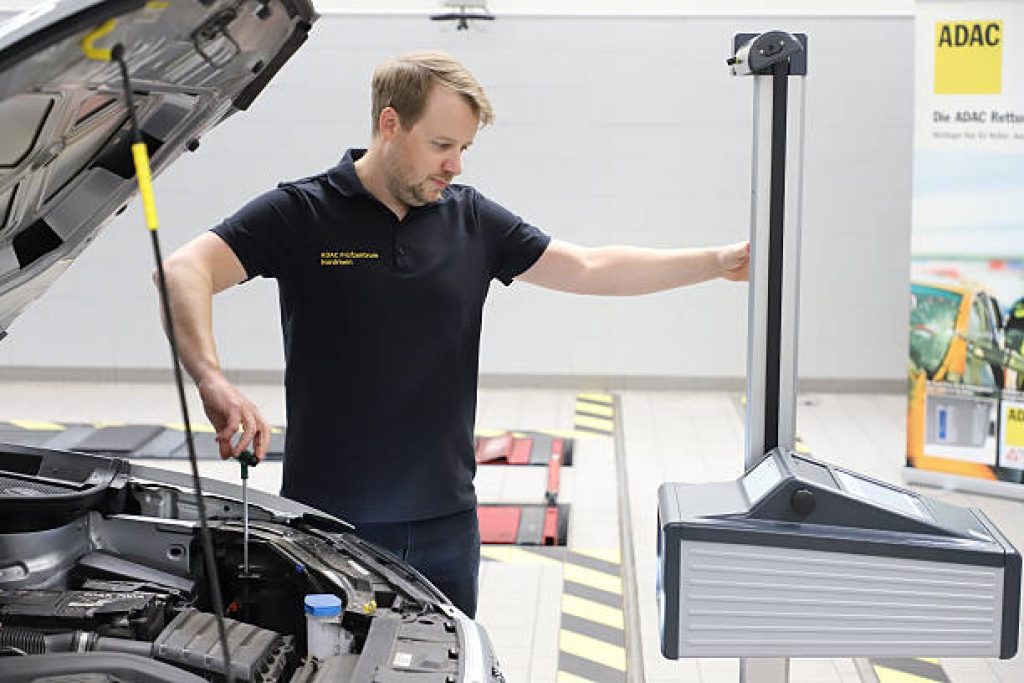
Technicians generally rely on one of two calibration methods, depending on what the manufacturer specifies.
| Calibration Type | How It Works | Typical Setting |
|---|---|---|
| Static calibration | Vehicle is parked, and targets are placed at precise measured distances while diagnostic tools recalibrate the camera | Controlled workshop environment |
| Dynamic calibration | Vehicle is driven at a set speed range, so the system relearns lane markings and surrounding objects in real time | On the road |
Some manufacturers require both methods to be used together for full accuracy. Throughout the process, technicians rely on manufacturer-specific software and precision equipment to keep every sensor within tolerance. This is not something that can be eyeballed or guessed, which is exactly why it belongs in the hands of trained professionals.
How Do I Know If My Car Needs ADAS Calibration
Still unsure whether your vehicle applies here? Run through this quick checklist.
Look for a forward-facing camera near the rear-view mirror, usually within the wiper sweep area.
Check the dashboard for lane keep, adaptive cruise control, or automatic emergency braking symbols.
Note your vehicle build year, particularly if it is 2018 or newer.
Search for a manufacturer’s service bulletin on calibration after a windscreen replacement.
Ask your dealership directly if you remain unsure.
Trust Albion Park Rail Windscreens and Plastics for Expert Windscreen Replacement
Understanding which cars require ADAS calibration after windscreen replacement is fast becoming part of responsible car ownership in Australia.
Albion Park Rail Windscreens and Plastics brings genuine care and technical know-how to every windscreen replacement, backed by a solid understanding of how modern safety systems behave and what each manufacturer expects. The focus is always on returning your vehicle to its original safety standard, so your ADAS features work exactly as they should.
Choosing a team that treats ADAS calibration as essential, not optional, is one of the simplest ways to protect yourself, your passengers, and people on the road. So, don’t wait. Book your ADAS calibration with us now.
Frequently Asked Questions
Do all cars need calibration after a new windscreen?
It depends on whether the car has camera-based driver-assist features. Older vehicles without these systems generally do not need it, while most newer models do.
How long does ADAS calibration take?
This varies depending on the vehicle & the required method. Static calibration may take around 30 minutes to an hour, while dynamic calibration, which involves a road test, can take a little longer.
Can I do ADAS calibration myself?
This process needs specialised equipment, precise measurements, and manufacturer-specific software, so it is not something suited to a home job. Trained technicians with the right tools should always handle it.
What is the difference between calibration after replacement versus after a minor bump or wheel alignment?
Windscreen replacement calibration focuses on the forward-facing camera, whereas calibration after a bump or wheel alignment often concerns radar or steering angle sensors elsewhere on the vehicle.
Can I refuse calibration, and is that legal?
A vehicle owner can technically decline calibration. It is not illegal to do so, but it is strongly discouraged, as it can cause safety systems to operate incorrectly, may affect insurance claims or warranty coverage down the track.